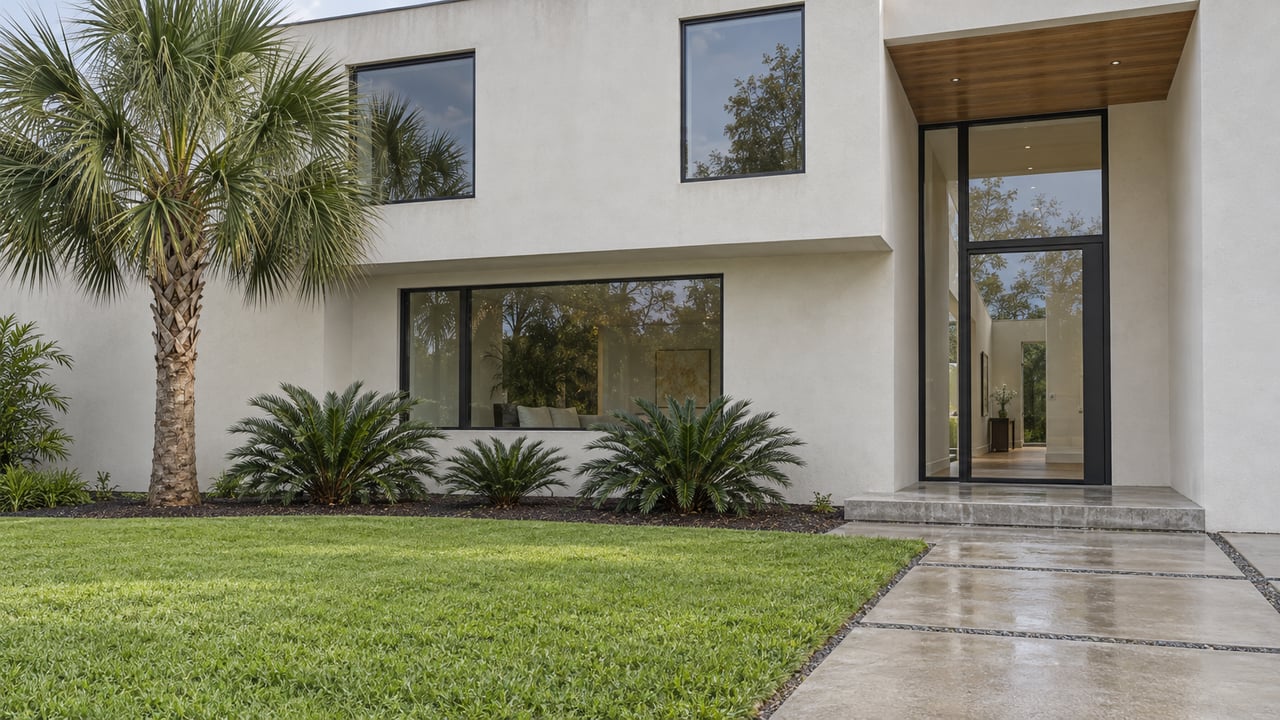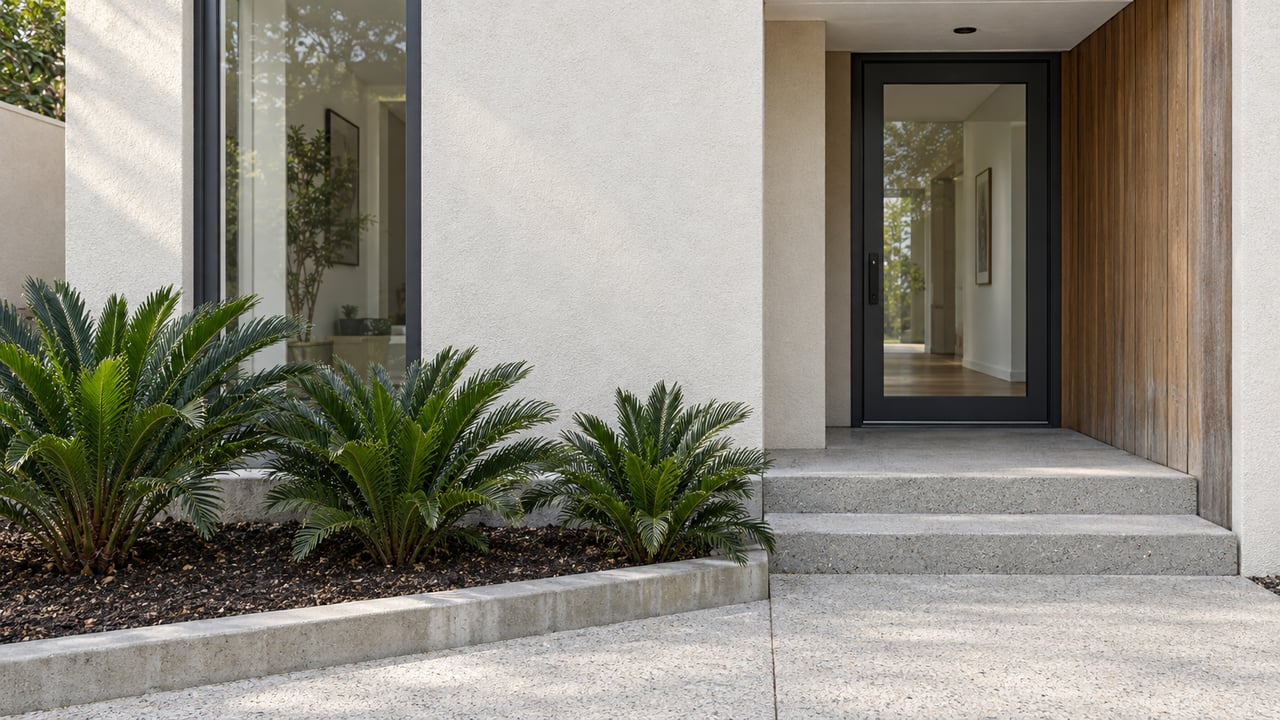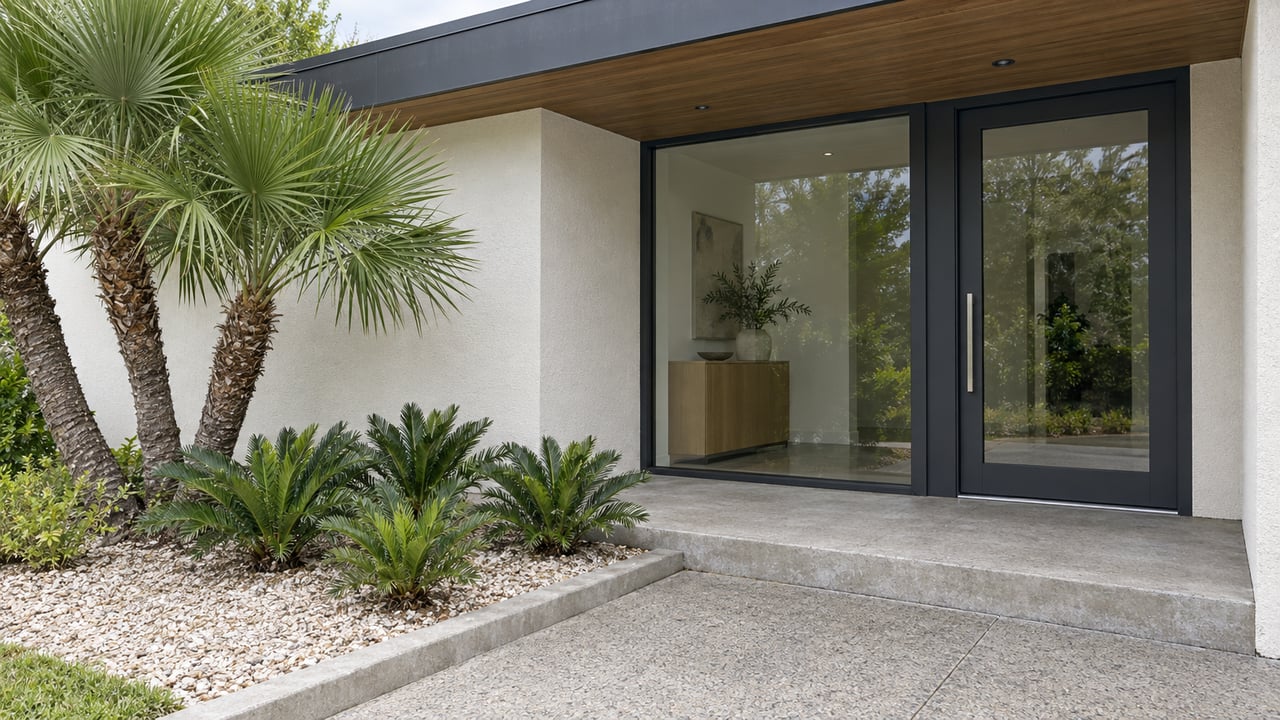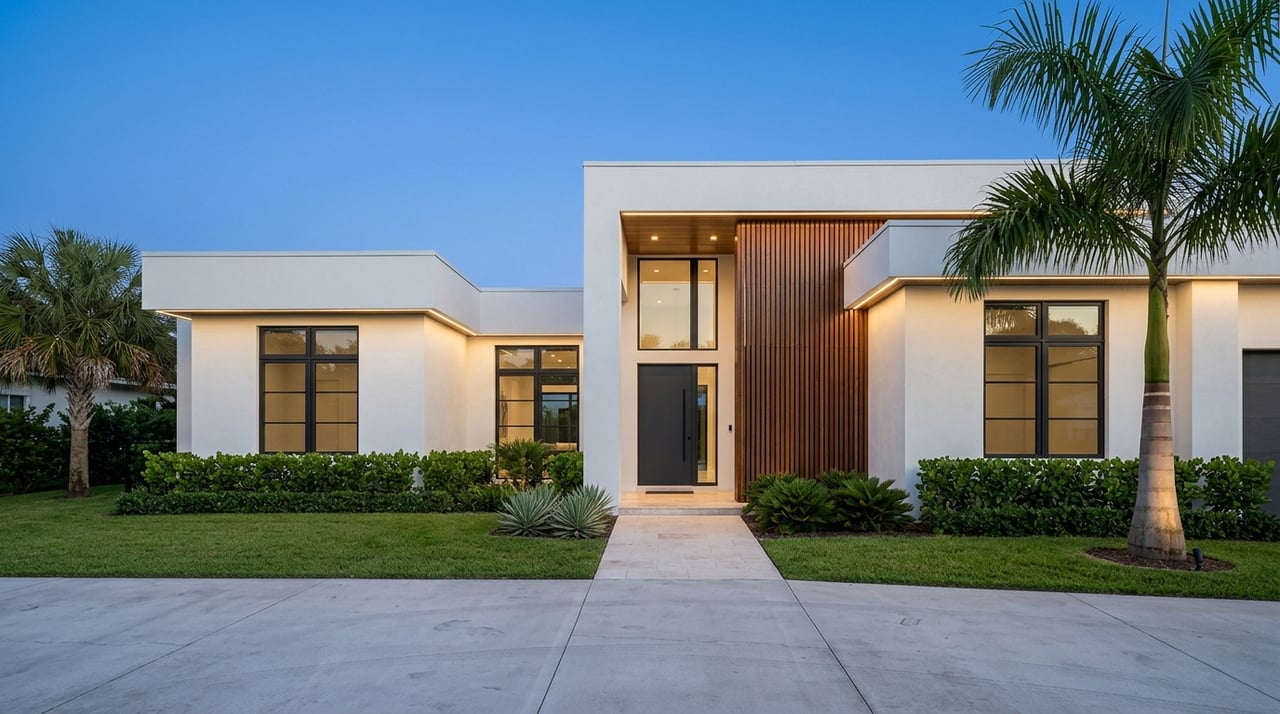
Thinking about tearing down or reworking a home in Snell Isle? On paper, a redevelopment deal can look straightforward: buy the lot, design the house, and build for the market. In reality, Snell Isle asks you to think more carefully about lot rules, flood requirements, shoreline work, and neighborhood context before you commit. This guide walks you through the key issues to check early so you can underwrite the property with more confidence. Let’s dive in.
Why Snell Isle Redevelopment Requires Extra Care
Snell Isle is not just another infill neighborhood. It was developed in the 1920s by C. Perry Snell on what had been a mangrove island, and its long-established character still shapes how redevelopment is perceived today. The area is also associated with Mediterranean, Spanish, and Italian architectural influences documented in local historical materials.
That does not create a blanket rule that every new home must look historic. But from a practical resale standpoint, fit still matters. In a neighborhood known for waterfront image, mature landscape, and established scale, a project that feels disconnected from its setting may face a tougher exit than one that reads as well-planned and location-aware.
Start With Zoning and Lot Dimensions
Before you price a redevelopment deal, confirm exactly what the parcel can support under City of St. Petersburg rules. The city’s zoning GIS and dimensional standards are the starting point for parcel-level due diligence. This step matters because assumptions based on neighboring homes can be misleading.
City code states that no development permit may be issued for a lot that does not meet minimum lot area requirements unless it qualifies as a nonconforming lot of record. The code also controls how yards and setbacks are measured. That means your buildable envelope may be narrower or more limited than it first appears.
Setbacks Can Change the Design Quickly
In the NT single-family districts, setbacks vary by lot width. The code also includes a 20-foot waterfront yard requirement, which can significantly affect siting on water-facing parcels. In traditional neighborhoods, lot patterns are often narrower than what many buyers or builders expect in more suburban settings.
For you, that means width can matter almost as much as total square footage. A wide home concept placed on a narrow lot may need major revision once setbacks, side yards, and waterfront yard rules are applied.
Accessory Uses May Be Possible
If your plan includes additional flexibility, NT-1 zoning may allow an accessory dwelling unit. That option depends on lot size, setbacks, parking, and related standards. It is worth checking early rather than treating it as a bonus you can confirm later.
Be Careful With Lot Combinations
Some redevelopment buyers look at adjacent platted lots and assume they can combine, redesign, and later separate them with ease. In St. Petersburg, that approach needs careful review. The city’s nonconforming-lot and redevelopment rules can change what is possible after lots come under common ownership.
Combined lots can become non-divisible unless the resulting parcels meet current minimum standards or a variance is approved. If you are planning to build across multiple lots, the code also requires original lot lines to be preserved through building articulation. That can affect massing, floor plans, and façade design.
Why This Matters Before Closing
If the business plan depends on future flexibility, verify it before you buy. A parcel that looks like a simple assemblage opportunity may carry design constraints or re-platting limits that materially change value. This is one of the easiest ways for a redevelopment buyer to overpay.
Flood Risk Changes More Than Insurance
In Snell Isle, flood exposure is not a side issue. The city’s repetitive-loss analysis says the Snell Isle watershed covers about 700 acres, relies on its stormwater system and a natural ditch near Appian Way NE, and can flood when high tides and heavy rain hit at the same time, especially near Snell Isle Boulevard NE and Appian Way.
That local flooding context matters because St. Petersburg’s building code applies stricter standards to substantial improvements and substantial damage work in flood hazard areas. In general, the lowest floors must be elevated to base flood elevation plus 2 feet, or the design flood elevation, whichever is higher. Those requirements can dramatically reshape your design, your cost basis, and the way the finished house sits on the site.
Height May Read Differently on a New Build
The city also measures height differently in flood hazard areas. In practical terms, a newly compliant home can appear taller or more elevated than the house it replaces, even on the same lot. That affects architecture, stairs, garage planning, and overall curb presence.
If you are comparing a teardown to surrounding older homes, be careful not to assume the replacement house will carry the same visual proportions. The code framework can change the final product in ways that affect both construction and resale strategy.
Waterfront Lots Need Shoreline Planning
If the property sits on the water, your redevelopment budget should not stop at the house. Waterfront work often requires its own permitting path and engineering review. In many cases, shoreline conditions directly affect the timing of vertical construction.
The city requires a dock permit before dock construction. Maximum dock area is tied to waterfront frontage, and the code sets setback rules for tie poles and boat lifts. The city also requires permits for seawalls and riprap.
Most importantly, waterway-bank stabilization must be completed and approved before a building permit is issued for waterway lots. That can have major timing and cost implications. If a seawall or shoreline edge needs repair, replacement, or stabilization, you may be underwriting a marine project and a home project at the same time.
Underwrite the Full Waterfront Scope
For a teardown on the water, it is smart to evaluate:
- Existing seawall or shoreline condition
- Dock and lift compliance issues
- Required stabilization work
- Permit sequencing that could delay construction
- How waterfront frontage limits dock area
This is where early engineering input can protect you from expensive surprises.
Check Historic and Review Triggers Early
Not every Snell Isle property will trigger preservation review, but some will. The city’s planning tools include GIS layers for historic preservation, zoning, future land use, and permit history. Those tools should be reviewed before you finalize your underwriting.
St. Petersburg requires a Certificate of Appropriateness before permits for work affecting a local landmark. The city also imposes a 30-day demolition delay for properties identified as potentially eligible local landmarks. Even when a site is not formally designated, the review path can still affect your timeline.
Permitting Is More Than One Department
The city’s current permitting workflow runs through ePlan Review, and Fire Rescue reviews the general site plan and structural details early in the construction process. Depending on the property, redevelopment may also involve planning review or appeals under city code. That is why the entitlement path should be confirmed before closing, not after.
Understand Neighborhood Associations Versus Recorded Restrictions
Snell Isle has a long-established property owners association, but the Snell Isle Property Owners Association describes itself as voluntary. That is an important distinction. You should not treat it as a mandatory HOA substitute without verifying parcel-specific documents.
Instead, treat neighborhood association input as one part of the local redevelopment picture. Separately, review recorded covenants, title exceptions, and any restrictions that apply to the specific parcel. Those documents, not neighborhood assumptions, will tell you what legal limits may affect your plans.
A Smart Pre-Acquisition Checklist
Before you lock in price and terms on a Snell Isle redevelopment property, make sure you can answer four core questions:
- Does the parcel support your intended footprint within the zoning envelope?
- Is the site affected by flood-hazard requirements or evacuation-zone constraints?
- Will seawall, shoreline, dock, or bank stabilization work be required?
- Could historic review, planning review, or demolition delay affect timing?
These are not technical details to sort out after closing. They are core underwriting issues that can change land value, construction cost, and final resale positioning.
Build Your Team Early
In a neighborhood like Snell Isle, the right team should be assembled before major construction dollars are committed. City review materials support the value of early plan examination, and that is especially important when a site has waterfront or nonconforming-lot complexity.
A strong early team often includes:
- A surveyor
- An architect
- An engineer
- A local builder
This group can help you test fit, drainage, elevation, and shoreline feasibility before you make a costly mistake. For redevelopment buyers, speed matters, but speed without verification can get expensive fast.
Resale Still Depends on the End Product
In Snell Isle, the redevelopment story does not end with permit approval. The finished property still has to make sense in its setting and in the resale market. Projects tend to benefit from preserving water access, respecting neighborhood character, and avoiding awkward site planning.
That does not mean every buyer wants the same architecture. It means the best outcomes usually come from disciplined planning, clean site execution, and a design that feels intentional on the lot. In a high-value waterfront market, those details can make a real difference when it is time to sell.
If you are evaluating a teardown, lot acquisition, or redevelopment play in Snell Isle, careful diligence up front can protect both your downside and your exit. For strategic guidance on waterfront and redevelopment opportunities in Tampa Bay, connect with KVA Group.
FAQs
What should you check first before redeveloping a Snell Isle property?
- Start with zoning, lot dimensions, setbacks, waterfront yard requirements, flood-related building rules, and any shoreline or historic-review issues tied to the parcel.
Do lot width and setbacks matter in Snell Isle redevelopment?
- Yes. In St. Petersburg’s NT single-family districts, setbacks vary by lot width, and waterfront parcels can also be subject to a 20-foot waterfront yard.
Can you combine lots for a new build in Snell Isle?
- Possibly, but combined lots under common ownership can become non-divisible unless they meet current minimum standards or receive a variance, so this should be reviewed before closing.
Do waterfront Snell Isle properties need separate shoreline permits?
- Yes. Depending on the scope, dock permits, seawall or riprap permits, and waterway-bank stabilization approvals may be required, and shoreline stabilization may need approval before a building permit is issued.
Can flood rules change your new home design in Snell Isle?
- Yes. In flood hazard areas, substantial improvement or substantial damage work may have to meet new-construction flood design requirements, including elevation standards that affect layout and height.
Is the Snell Isle Property Owners Association a mandatory HOA?
- The association describes itself as voluntary, so you should separately review recorded covenants, title exceptions, and parcel-specific restrictions rather than assume HOA-style control applies.