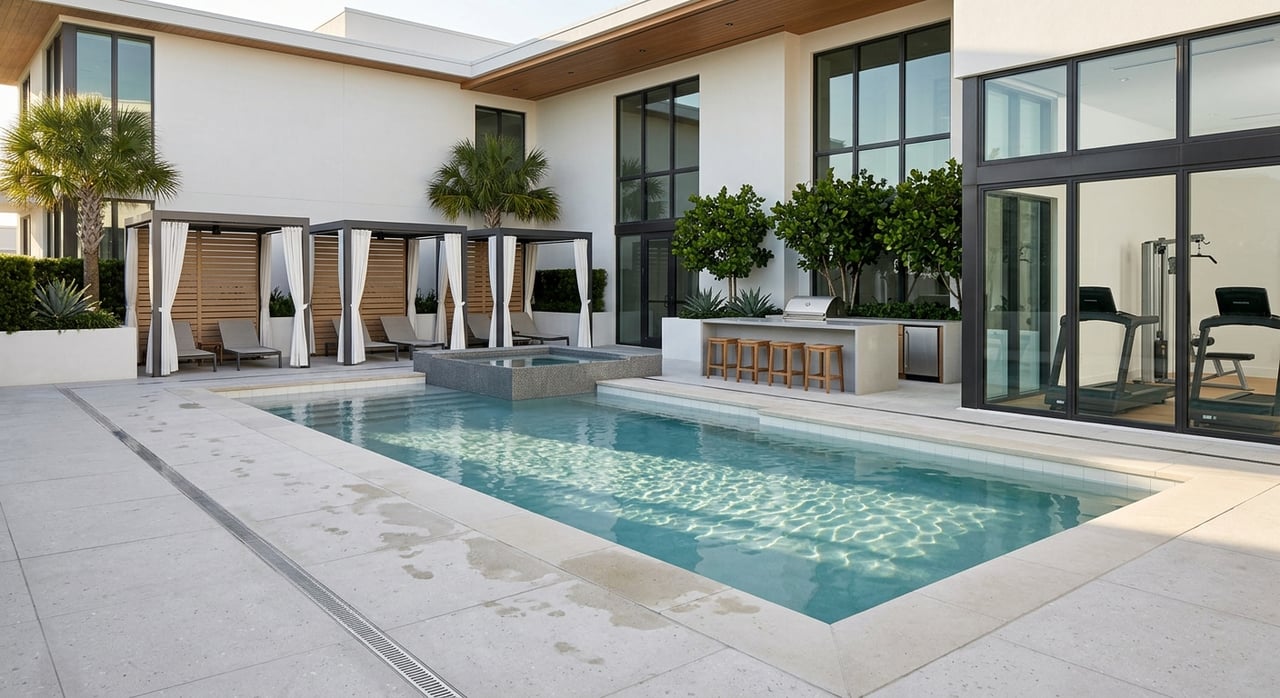
If a condo’s resort-style amenity list looks impressive at first glance, that does not always mean it delivers the best value for your lifestyle or your balance sheet. On Clearwater Beach, the real question is not just what a building offers, but what you actually own, what you pay for every month, and how easily you can enjoy the beach itself. If you are comparing luxury condos, second homes, or investment properties here, understanding that difference can help you buy with more confidence. Let’s dive in.
Why amenities matter in Clearwater Beach
On Clearwater Beach, location and amenities are closely connected. The City of Clearwater describes public beach entrances throughout the beach, year-round lifeguards, daily cleaning and raking, nearby restaurants and shops, and the Beach Walk promenade.
That means some of the "resort-style" experience may come from the setting around the building, not only from the building itself. When you evaluate a condo, it helps to separate true on-site ownership benefits from advantages created by Clearwater Beach’s public access, walkability, and surrounding infrastructure.
Treat beach access as a real amenity
In many markets, beach access is a simple marketing phrase. In Clearwater Beach, it should be treated as a real amenity because ease of access depends on more than water views.
Public entrances are spread across the beach, and the area includes both public beach lots and privately owned garages. That makes proximity to the sand, ease of parking, and walkability important parts of daily use for you and your guests.
What to look for near the beach
When you compare buildings, focus on how the location works in real life.
- How far is the walk to a public beach entrance?
- Is parking on site, private, or dependent on nearby public options?
- Can you comfortably reach restaurants, shops, and Beach Walk on foot?
- Does the building’s location reduce your need for a larger internal amenity package?
A boutique building with fewer amenities may still feel highly convenient if it puts you close to the sand and the core of Clearwater Beach activity. In some cases, that tradeoff can be more useful than paying for a larger service package you may rarely use.
Understand what resort-style really includes
In Florida condominiums, shared amenities and services are part of the ownership structure. Florida law ties each unit’s share of common expenses to its share of the common elements, and those common expenses can include operation, maintenance, repair, replacement, protection of common elements, security services, transportation services, in-house communications, bulk communications, insurance, and, where applicable, hurricane-protection costs.
In plain terms, a rich amenity package usually means a heavier operating budget. A stylish pool deck, staffed lobby, or valet setup can improve convenience, but it can also increase your monthly dues and long-term carrying costs.
Evaluate pools and outdoor spaces carefully
A pool can be one of the most appealing features in a Clearwater Beach condo, but not all pools offer the same value. The better questions are about function, condition, and ownership.
For newer or developer-controlled projects, Florida disclosure rules require details about each swimming pool, including location, approximate size and depths, deck size, capacity, and whether it is heated. Those disclosures can give you a much clearer picture than marketing photos alone.
Pool questions worth asking
Before you make a decision, review details such as:
- Pool size and layout
- Sun and shade exposure
- Seating and deck capacity
- Whether the pool is heated
- Ongoing maintenance expectations
- Whether the amenity is owned by the association or controlled by another operator
Florida’s inspection and disclosure framework also highlights systems such as pools, spas, elevators, seawalls, pavement and parking areas, drainage systems, and irrigation systems as important due diligence items. That matters because a beautiful outdoor space may also come with future repair obligations.
Look beyond convenience services
Concierge service, valet, package handling, and similar touches can make a building feel polished and easy to use. They can be especially attractive if you are buying a second home or want a more turnkey ownership experience.
At the same time, those services usually appear in the operating budget. Florida budget guidance includes salaries, management fees, utilities, insurance, legal services, and other operating line items, and state law expressly treats security and transportation services as common expenses when they benefit owners generally.
Ask what your dues are supporting
When monthly dues look high, do not stop at the total. Ask how much of that number supports:
- Staffing and payroll
- Management and administration
- Utilities and insurance
- Security and service layers
- Maintenance and repair
- Reserve funding for future capital work
That breakdown can help you decide whether a full-service environment matches your actual priorities.
Verify dining and third-party amenities
If a building advertises a restaurant, bar, cafe, beach club, or other hospitality-style feature, it is worth taking a closer look. The key issue is whether that amenity is owned by the association, leased to a third party, or governed by a separate operating agreement.
Florida disclosure rules require identification of commonly used facilities that are not owned by the unit owners or the association, along with key lease or agreement terms. That distinction can affect cost, control, and even everyday issues like traffic, activity levels, and how consistently the amenity operates.
Why ownership structure matters
A leased or separately operated amenity may still be valuable, but you should know:
- Who controls the space
- Whether the arrangement can change
- Whether costs are passed through to owners
- Whether use is exclusive or shared more broadly
- Whether the amenity affects noise or circulation patterns
This is especially important in properties marketed with a strong resort identity.
Review fees, reserves, and assessment risk
Luxury condo buyers often focus on finishes, views, and service levels first. On Clearwater Beach, it is just as important to understand the financial health behind the amenity package.
Monthly assessments generally fund the operation, maintenance, repair, replacement, and protection of common elements and association property. In a beachfront setting, those costs can extend beyond landscaping and pool care to include insurance, communications, security, and hurricane-related items, depending on the condo documents.
Low dues are not always a bargain
If a building has unusually low dues, look deeper before assuming it is a better deal. Florida now requires structural integrity reserve studies for many condominium buildings that are three stories or higher, along with milestone inspections for residential condominium buildings that are three habitable stories or more once they reach the statutory age threshold.
The reserve study must identify items, estimate useful life and replacement cost or deferred maintenance expense, and provide a funding schedule. Milestone inspection summaries must be distributed to owners, and the state says structural inspection reports and reserve studies are official records that must be provided to potential purchasers.
Special assessments must also be disclosed in writing with a specific purpose, and collected funds can be used only for that stated purpose. For you as a buyer, that means an amenity-rich building with weak reserves can become more expensive later, even if the monthly dues looked manageable at first.
Check rental and use rules early
If you are buying a second home or investment property, the amenity package is only part of the equation. You also need to know how the building’s documents regulate rentals, guests, pets, and amenity use.
The declaration, bylaws, rules, and any lease language should be reviewed for rental minimums, guest limits, pet rules, and reservation policies for shared spaces. Florida law also provides that certain rental-related amendments apply only to owners who consent and to later buyers, which makes the current document set especially important in your review.
Key rules to confirm
Before moving forward, verify:
- Minimum rental term
- Limits on the number of rentals
- Guest use rules
- Pet restrictions
- Amenity reservation policies
- Any separate lease terms that affect access or use
This step can protect both your lifestyle expectations and your income strategy.
Compare building types on Clearwater Beach
Not every buyer needs the same amenity profile. On Clearwater Beach, the right fit often comes down to how you balance service, location, carrying cost, and building age.
Full-service towers
Full-service towers often appeal to buyers who want staffing, security, and a more seamless ownership experience. The tradeoff is usually higher monthly costs and broader exposure to repair and inspection-related expenses because the association maintains more systems and services.
Boutique buildings
Boutique buildings often offer simpler operations and fewer staffed amenities. In Clearwater Beach, they can still feel highly desirable because public beach access, parking options, restaurants, shops, and Beach Walk already provide part of the experience outside the building.
Older updated complexes
Older updated complexes can present strong value if major systems have been modernized and documented. In these buildings, it is wise to place extra weight on milestone inspection status, reserve studies, insurance, and any pending or recent special assessments.
Florida’s inspection framework specifically points buyers toward items such as elevators, heating and cooling systems, swimming pool or spa equipment, seawalls, pavement and parking areas, drainage systems, and irrigation systems. Those details can tell you more about long-term value than a polished lobby alone.
Build your evaluation around daily use
The best resort-style condo is not always the one with the longest amenity list. It is the one that aligns with how you plan to use the property, what level of service you want, and what carrying costs you are comfortable supporting.
On Clearwater Beach, that means looking at the whole picture: beach access, parking, walkability, ownership structure, building financials, inspection history, and usage rules. When you evaluate amenities through that lens, you can make a more disciplined decision and avoid paying premium prices for benefits that may already come with the location.
If you are weighing condo options on Clearwater Beach and want a more strategic read on value, building tradeoffs, and ownership costs, KVA Group can help you evaluate the details with clarity and discretion.
FAQs
What counts as a resort-style condo amenity in Clearwater Beach?
- Resort-style amenities can include pools, outdoor decks, fitness areas, concierge service, valet, security, dining spaces, and other shared services or facilities tied to the condominium’s common elements and operating budget.
Why is beach access important when evaluating Clearwater Beach condos?
- Beach access matters because Clearwater Beach has public entrances throughout the beach, plus a mix of public and private parking options, so ease of getting to the sand can be a meaningful ownership benefit.
What do Clearwater Beach condo monthly dues usually cover?
- Monthly dues generally support operation, maintenance, repair, replacement, and protection of common elements, and may also include items such as insurance, communications, security, and other shared services depending on the condo documents.
What should you ask about a condo pool in Clearwater Beach?
- You should ask about the pool’s size, depth, deck area, heating, seating capacity, maintenance needs, and whether the pool is owned by the association or controlled under another arrangement.
How do you verify restaurant or beach club amenities in a Clearwater Beach condo?
- Review whether the amenity is association-owned, leased to a third party, or subject to another operating agreement, because that can affect cost, control, and everyday use.
What reserve and inspection documents should Clearwater Beach condo buyers review?
- Buyers should review the latest milestone inspection summary, the structural integrity reserve study if applicable, and any disclosures about pending or recent special assessments.
What rental rules should investors check in Clearwater Beach condo buildings?
- Investors should confirm rental minimums, limits on the number of rentals, guest policies, pet rules, and any amenity reservation or lease-use restrictions in the condo documents.
Which Clearwater Beach building type is best for resort-style living?
- The best fit depends on your priorities: full-service towers usually offer more staffing and convenience, boutique buildings may offer lower-complexity ownership, and older updated complexes can offer value if major systems and reserves are well documented.