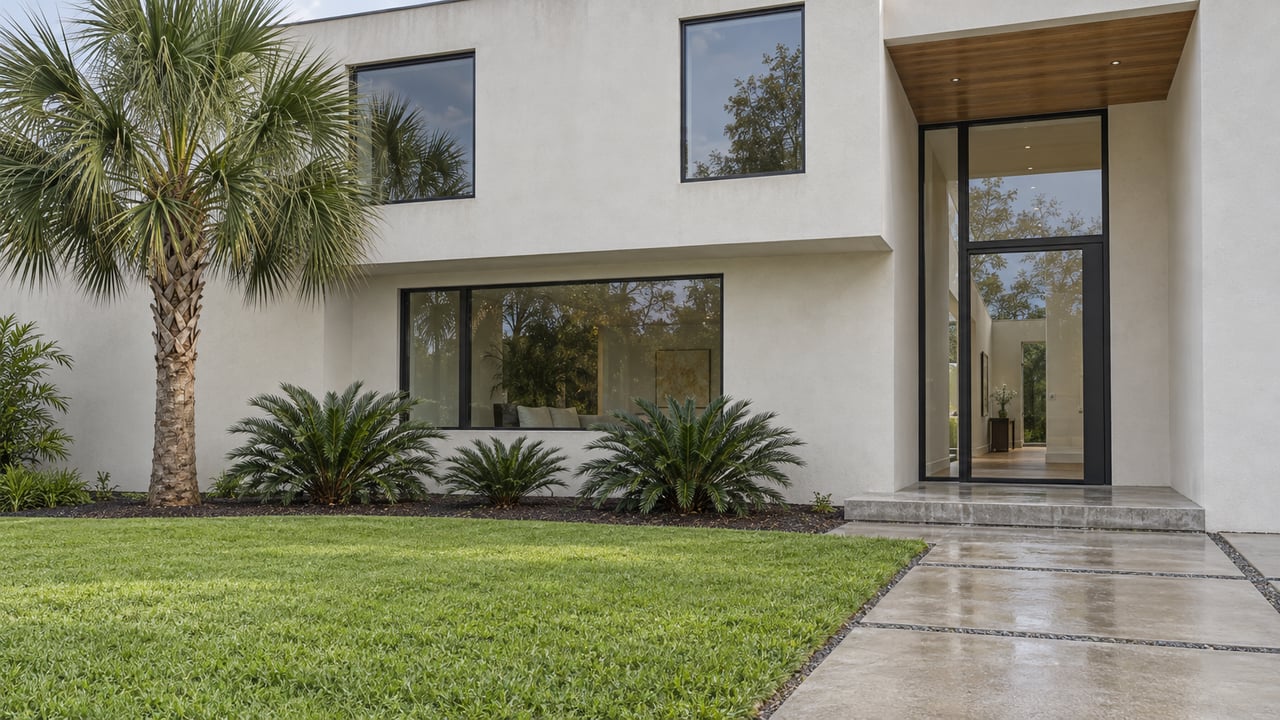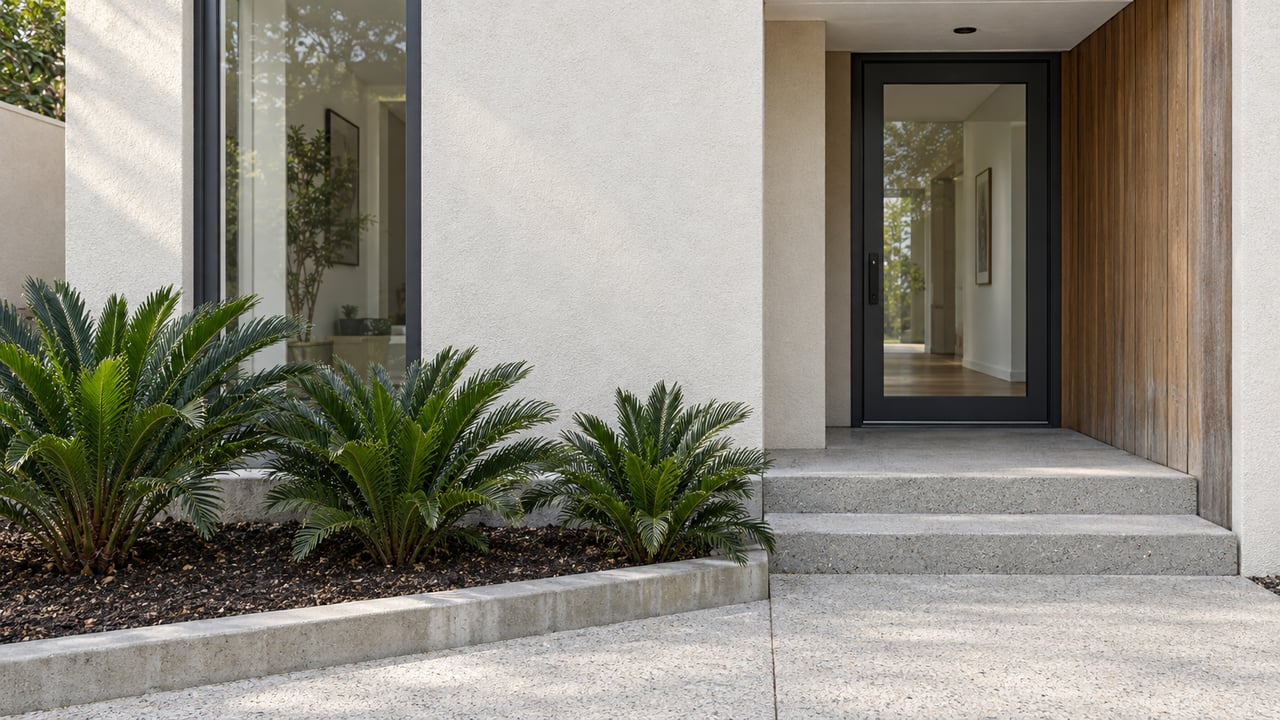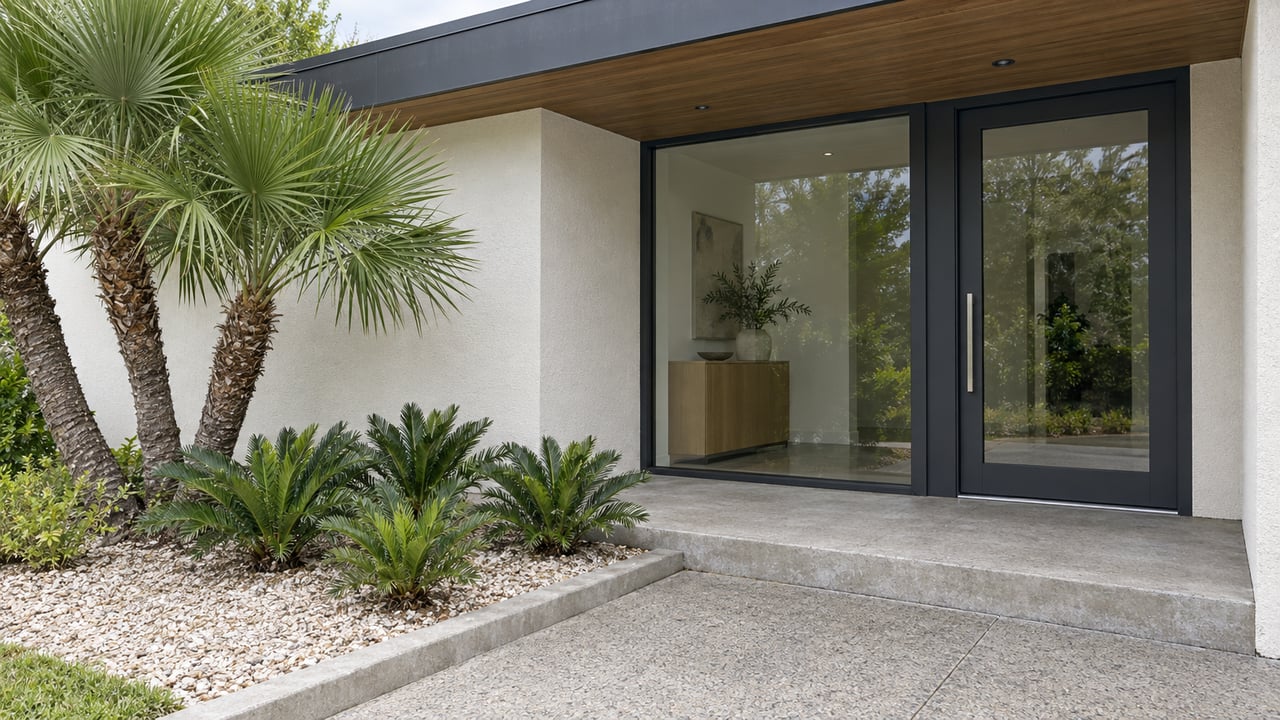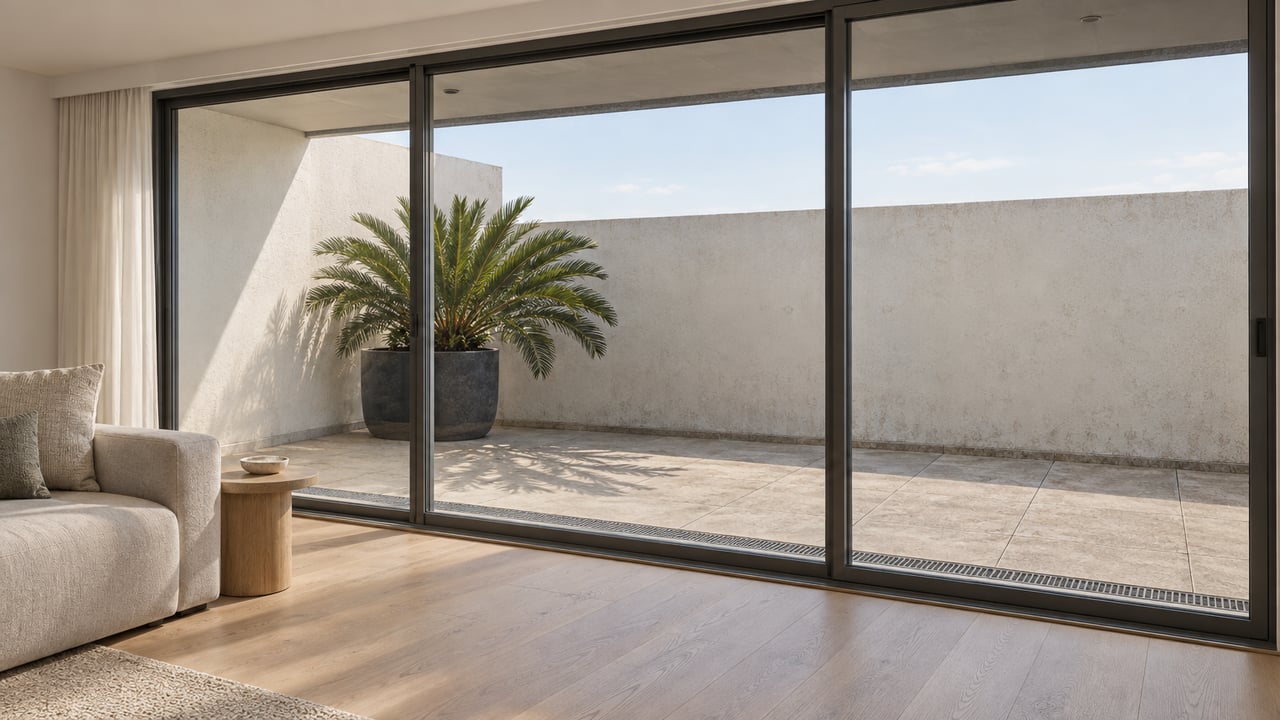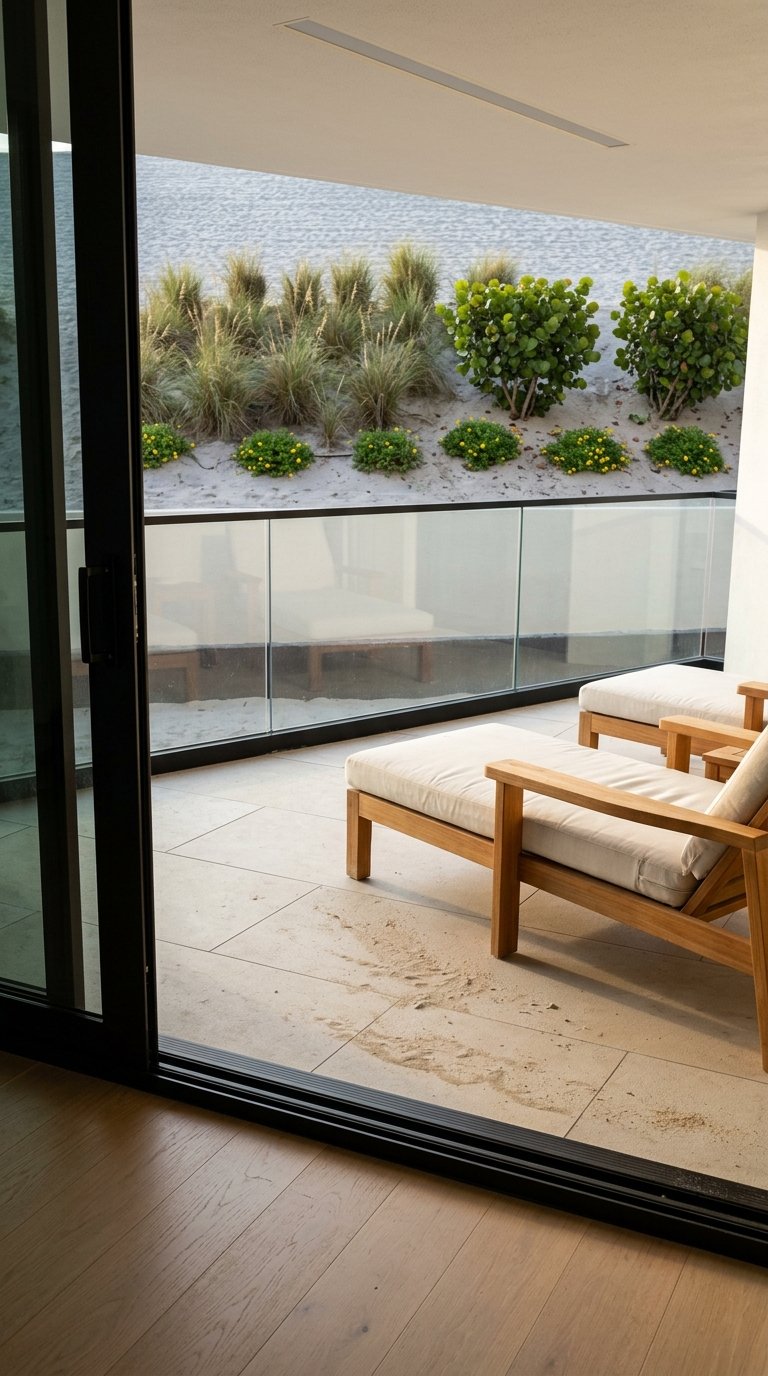
If you want a Gulf-front second home that feels like a true beach retreat, St. Pete Beach deserves a serious look. You are not just buying sand and water views here. You are choosing a day-to-day lifestyle shaped by walkable dining, distinct neighborhood pockets, beach access logistics, and coastal ownership realities. This guide will help you understand how St. Pete Beach fits second-home buyers, what areas to compare, and which ownership style may suit the way you plan to use the property. Let’s dive in.
Why St. Pete Beach Stands Out
St. Pete Beach offers a balance that many Gulf buyers are looking for. It has the coastal energy and visitor appeal of a well-known beach destination, but it also has clearly defined residential areas and a more lived-in rhythm than some nearby resort-focused towns.
That balance matters when you are buying a second home. You may want easy access to restaurants, shopping, and beach activity, but you may also want a place that still feels comfortable when you stay for longer stretches. St. Pete Beach can deliver both, depending on where you buy.
The broader Gulf-side market helps explain the appeal. Clearwater Beach is generally seen as more resort-heavy, Treasure Island leans more vacation-rental and small-hotel oriented, Madeira Beach is closely tied to the boardwalk area around John’s Pass, and Indian Shores and Indian Rocks Beach tend to feel smaller and quieter. St. Pete Beach sits between those styles, which makes it appealing if you want variety without losing a true beach-town feel.
Think in Micro-Areas, Not One Market
One of the biggest mistakes second-home buyers make is treating St. Pete Beach like a single uniform strip. In reality, the city includes several distinct pockets with different built forms, ownership patterns, and everyday experiences.
That matters because your ideal second home may depend less on the city name and more on the exact area. A low-rise historic setting, a mixed condo-and-home district, or a resort-adjacent beachfront corridor can create very different ownership experiences.
Pass-a-Grille
Pass-a-Grille is the clearest fit if you are drawn to an Old Florida feel. It is known as a historic, sleepy community with quaint streets and historic cottages, and it does not have high-rise hotels.
For a second-home buyer, that usually means a calmer, lower-rise setting with a more distinct neighborhood character. If your priority is charm, a quieter south-end atmosphere, and a historic coastal environment, Pass-a-Grille is often the strongest match within St. Pete Beach.
Upham Beach and Central St. Pete Beach
The area around Upham Beach shows how mixed the housing stock can be. The city describes this district as a blend of single-family homes, residential condos, apartment complexes, and motels.
That mix can be helpful if you are still deciding between a condo and a house. It also means you can find very different ownership styles within a relatively small area, from lower-maintenance condo living to a more independent single-family setup.
Corey Avenue adds another layer to this part of the city. It functions as a central dining and shopping spine and hosts a Sunday market and seasonal events, which gives the area a more everyday neighborhood feel beyond the beach itself.
Resort Corridor and Residential Pockets
The north and central beachfront include the well-known resort corridor around properties such as the Don CeSar, TradeWinds, Sirata, and Bon-Aire. If you want a classic beachfront setting with nearby resort amenities and a more active coastal atmosphere, this part of St. Pete Beach may stand out.
At the same time, city parking permit areas identify places like Upham Beach, Belle Vista, Don CeSar, and Pass-a-Grille separately. That is a practical reminder that buyers should compare block by block and area by area, rather than assume the same ownership experience across the entire beach.
Condo or Single-Family for a Second Home?
For many buyers, this is the key decision. Both ownership styles can work well on St. Pete Beach, but they fit different goals.
A condo is often the more turnkey option. Condo or HOA dues are typically paid separately from the mortgage, and those fees usually help cover upkeep of common areas and amenities. If you want easier lock-and-leave ownership for part-time use, that may be a strong advantage.
A single-family home often gives you more autonomy. You may have more control over the property and how you use it, but you also take on more maintenance, storm preparation, and hands-on oversight.
Here is a simple way to think about it:
| Ownership style | Often a better fit if you want | Tradeoff to expect |
|---|---|---|
| Condo | Easier part-time use, common-area maintenance, more turnkey ownership | HOA or condo dues, shared rules and governance |
| Single-family home | More privacy, more control, more independent use | More direct maintenance and storm-prep responsibility |
Your best option depends on how often you will use the home, how involved you want to be in upkeep, and whether convenience or control matters more to you.
Beach Access and Parking Matter More Than You Think
A Gulf-front or near-Gulf second home is about more than the view. In St. Pete Beach, daily convenience often comes down to access points, parking arrangements, and how guests will use the property.
The city organizes public beach parking around specific locations, including Upham Beach, County Beach Access Park, and Pass-a-Grille. Some streets are permit-only rather than open to general public parking. For owners, that makes the exact block especially important.
If you plan to host family or friends, or if you will only use the home part-time, practical details can shape the experience as much as the property itself. You should understand where your nearest access point is, how resident parking works, and what guest parking may look like before you buy.
The shoreline itself also reflects city planning choices. Areas seaward of the Coastal Construction Control Line are treated as preservation land, and development there is generally limited to features like dune walkovers and beach-access points. In simple terms, that helps explain why parts of the beach feel open and access-focused rather than built out edge to edge.
Flood Zones, Evacuation, and Insurance Basics
Any second-home purchase on the Pinellas coast should include a clear look at flood and storm planning. Pinellas County states that everyone lives in a flood zone, and it also notes that flood zones are different from evacuation zones.
That distinction is important because buyers sometimes assume they are the same. They are not. You should review both early in the process so you understand potential insurance needs and storm-planning implications.
The county also notes that flood insurance is required for federally backed mortgages in high-risk flood zones. It further states that standard homeowners insurance usually does not cover flood damage. For a Gulf-front or near-water purchase, these are not side issues. They are central carrying-cost and risk-planning factors.
Seasonal Patterns Can Shape Your Experience
A second home should match how and when you plan to use it. St. Pete Beach has a clear seasonal rhythm, and understanding it can help you choose the right area and ownership setup.
According to local beach updates, turtle nesting season runs from May 1 through October 31. Summer often brings brief afternoon rainstorms, winter is usually drier, spring vacation around Easter is the busiest beach period, and fall is generally less crowded.
Water temperatures remain usable year-round, with winter water generally in the mid-60s and summer water in the mid-80s. If you want a home that supports regular seasonal use, those patterns can help you think through peak activity, quieter months, and the kind of setting you will enjoy most.
Rental Rules Deserve Early Review
If rental flexibility is part of your second-home plan, this should be one of your first due diligence steps. St. Pete Beach states that short-term rentals of less than one month are not permitted in many districts.
The city says one-month-or-longer rentals are allowed citywide, while only certain districts, such as RM zoning and the Pass-a-Grille Overlay, allow limited transient occupancy of less than 30 days. That means rental potential can vary significantly from one area to another.
Before you count on rental income, verify three things:
- The property’s zoning
- Any condo or HOA rules
- The tax treatment tied to your intended use
This is one of the clearest examples of why a micro-market approach matters in St. Pete Beach. Two properties with similar views can offer very different flexibility depending on where they sit.
How to Choose the Right Fit
The right Gulf-front second home in St. Pete Beach depends on how you want to live in it. If you want a quiet, low-rise historic setting, Pass-a-Grille may be the best fit. If you want a more mixed-use area with condos, homes, dining, and local activity nearby, central St. Pete Beach may deserve closer attention.
If you want a more active beachfront setting tied to resort energy, the north and central corridor may align better. From there, your next decision is usually ownership style: turnkey condo convenience or single-family independence.
A smart search usually starts with a few core questions:
- How often will you use the home each year?
- Do you want a lock-and-leave property or more control?
- Is rental flexibility important to your plan?
- How important are walkability, parking, and guest access?
- Do you prefer a historic, mixed-use, or resort-adjacent setting?
When you answer those questions first, the search becomes much clearer. In St. Pete Beach, the best choice is rarely about the broad market alone. It is about matching the right micro-area and ownership structure to your real-life goals.
If you are weighing St. Pete Beach for a second home, a focused strategy can help you compare the right pockets, understand the practical ownership details, and move with confidence. To explore Gulf-front and coastal opportunities across Tampa Bay with a discreet, data-driven approach, request a confidential consultation with KVA Group.
FAQs
What makes St. Pete Beach appealing for a Gulf-front second home?
- St. Pete Beach offers a mix of beach access, dining, shopping, and a more lived-in coastal feel than some nearby resort-heavy beach towns.
Which area of St. Pete Beach feels most historic and low-rise?
- Pass-a-Grille is the most clearly defined historic, low-rise area, known for quaint streets, historic cottages, and the absence of high-rise hotels.
Is a condo or single-family home better for a St. Pete Beach second home?
- A condo often works better for turnkey, part-time use, while a single-family home offers more autonomy but usually comes with more maintenance and storm-prep responsibility.
How important are parking and beach access in St. Pete Beach?
- They are very important because public access and parking are tied to specific locations, and some streets are permit-only, so the exact block can affect everyday convenience.
What should buyers know about flood insurance in Pinellas County?
- Pinellas County says everyone lives in a flood zone, flood zones differ from evacuation zones, flood insurance is required for federally backed mortgages in high-risk zones, and standard homeowners insurance usually does not cover flood damage.
Can you use a St. Pete Beach second home as a short-term rental?
- It depends on the district, because rentals of less than one month are not permitted in many areas, while certain districts allow limited transient occupancy of less than 30 days.