Wondering whether Tampa Heights is smart for your first investment property? That is a fair question, especially in a neighborhood where historic charm, downtown access, and redevelopment momentum all meet. If you are trying to balance upside, risk, and day-one numbers, this guide will help you understand where Tampa Heights fits and where you need to be careful. Let’s dive in.
Why Tampa Heights Gets Investor Attention
Tampa Heights sits inside the City of Tampa, not on the suburban fringe, with published boundaries that generally run from E. MLK Jr. Boulevard to the north, N. Boulevard to the west, I-275 and the Hillsborough River edge to the south, and I-275 to the east. That central location matters because it gives you access to downtown-adjacent demand while still offering a neighborhood with a clear residential identity.
The bigger story is redevelopment. The City of Tampa describes the Tampa Heights Riverfront CRA as a prime redevelopment area because of its proximity to Downtown Tampa, with anchor projects including Armature Works, the Pearl Apartments, Heights Union, and a Sprouts grocery store. For a first-time investor, that points to a market where convenience, walkability, and continued reinvestment are part of the long-term appeal.
What the Market Looks Like Right Now
Tampa Heights is not a bargain market, and that is important to understand upfront. Public data sources show a neighborhood with relatively high pricing, limited supply, and enough variation that one property can look very different from the next.
Zillow reports an average home value of $458,268 as of April 30, 2026, with 42 homes for sale and a median list price of $543,583. Redfin places the median sale price at $625,000 in March 2026, up 0.8% year over year, with 21 homes sold and a median of 74 days on market. Realtor.com reports a median listing price of $555,000, median rent of $2.6K per month, 83 active listings, a 98% sale-to-list ratio, and a median of 79 days on market.
Those numbers do not match exactly because each platform tracks something different. That does not make the data less useful. In fact, the spread tells you Tampa Heights has meaningful property-level variation based on condition, style, and exact location within the neighborhood.
What the Rent-to-Price Math Suggests
If you are buying your first investment property, cash flow is usually one of your first filters. Using Realtor.com’s median rent with either the median listing price or median sale price gives a rough gross yield of about 5.0% to 5.6% before taxes, insurance, vacancy, HOA dues, and maintenance.
That is a screening metric, not a final underwriting result. Still, it suggests Tampa Heights may be better positioned as an appreciation-and-demand play than a pure cash-flow play. If your goal is strong monthly spread from day one, this neighborhood may feel tight unless you buy very well or find a property with a specific value-add angle.
The Housing Stock Is Not Cookie Cutter
One reason Tampa Heights can be appealing is also one reason it can be complicated. According to the City of Tampa’s historic district guidance, it is one of the city’s oldest residential neighborhoods, with homes dating from the late 1800s to the mid-1940s.
The district is described as mainly single-family dwellings, but it also includes apartment buildings, churches, a school, a fire station, and some commercial buildings. The dominant historic housing types include bungalows and wood-frame vernacular homes from roughly 1910 to 1925, along with examples of Craftsman, Colonial Revival, Queen Anne, Tudor Revival, and Mediterranean Revival architecture.
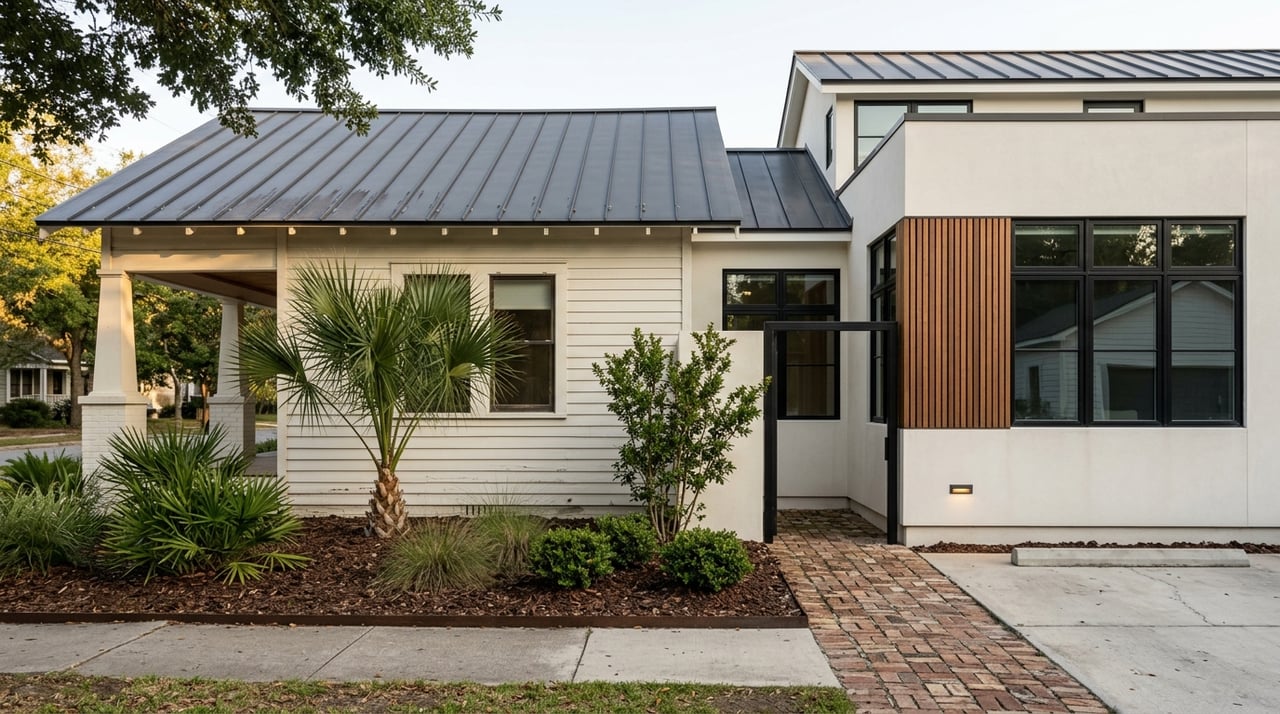
For you, that means your first deal in Tampa Heights may not be a simple, standardized rental. You may be looking at a historic bungalow, a smaller infill house, or another older structure where value depends heavily on condition, layout, and presentation. That helps explain why neighborhood-wide value and sale-price figures can look so different.
Why Flexibility Matters for First-Time Investors
The Tampa Heights neighborhood plan encourages a variety of housing types and says those housing types can be mixed in close proximity. It also specifically mentions granny flats and garage apartments, along with support for walkability, bikeability, and transit.
That does not mean every parcel will support an accessory unit or added density. It does mean the planning framework is not locked into only one housing form. For a first investor, that creates room to look for properties with future flexibility, as long as you confirm what is allowed for the specific lot and structure.
Renovation Can Work, But It Adds Risk
Tampa Heights can reward a thoughtful renovation strategy, but it is not the easiest place to learn on the fly. The City of Tampa says the Tampa Heights design guidelines are used by the Architectural Review Commission, and a Certificate of Appropriateness can be required for new construction, additions, and exterior repairs.
The city also states that new construction within the Tampa Heights Historic District requires a Certificate of Appropriateness and is reviewed for compatibility with the district’s character. In practical terms, that can mean longer timelines, more design review, and added soft costs. If this is your first investment property, those extra layers matter.
A turnkey property can reduce some of that execution risk. The tradeoff is that renovated or well-located homes may already be priced at a premium relative to the broader neighborhood value index. If you do pursue a renovation, conservative underwriting is the safer approach.
Flood Diligence Should Be Part of Your Process
Flood review is not optional in this part of Tampa. The City of Tampa advises owners to check FEMA and county flood maps by address and notes that flood risk is not just based on past events.
The city also says construction in a Special Flood Hazard Area requires an Elevation Certificate. Because Tampa Heights borders the Hillsborough River on its south side, river-adjacent parcels deserve added diligence early in your search. Before you get attached to a property, confirm flood-zone details and understand how insurance and renovation plans could be affected.
Infrastructure and Reinvestment Support the Case
One of the more compelling long-term positives in Tampa Heights is the broader reinvestment story. The City of Tampa highlights ongoing public and quasi-public projects in water, wastewater, and transportation, including pump-station rehabilitation, water-main replacement, and Floribraska complete-streets work.
That kind of infrastructure investment does not guarantee returns, but it does support the case for sustained neighborhood improvement. Combined with river adjacency and proximity to downtown, it helps explain why Tampa Heights continues to draw both renters and buyers.
Best Exit Strategies in Tampa Heights
For a first-time investor, your exit strategy matters as much as your entry price. Based on current market conditions, Tampa Heights tends to fit three practical paths.
Hold as a Rental
This can make sense if your purchase price allows the rent-to-price math to work after real expenses. You should be especially careful with taxes, insurance, maintenance, and vacancy assumptions because the gross-yield screen is already modest.
Renovate and Resell
This path can work if you buy with enough margin to absorb carrying costs, historic-review friction, and a market that is not ultra-fast. With median days on market in the mid-70s, resale is possible, but a thin-margin flip carries risk.
Buy, Hold, and Refinance
If your thesis is neighborhood appreciation over time, this may be the cleanest fit. Tampa Heights has a strong redevelopment narrative, but patience is usually part of that strategy.
So, Is Tampa Heights Right for You?
Tampa Heights can be a credible first investment-property market if you value urban location, historic character, and long-term demand drivers more than immediate cash flow. It offers a clear neighborhood identity, redevelopment momentum, and housing stock that can create upside when you buy carefully.
It is probably not the simplest starter market if you want a highly predictable rental with minimal project risk. Preservation review, flood diligence, and property-level variation all raise the importance of disciplined underwriting. If you are patient, selective, and clear on your strategy, Tampa Heights can make sense as a first investment purchase.
If you are weighing specific blocks, property types, or value-add angles in Tampa Heights, KVA Group can help you assess the numbers, identify risk, and shape a more strategic acquisition plan.
FAQs
Is Tampa Heights a good neighborhood for a first investment property?
- Tampa Heights can be a good fit if you are focused on long-term appreciation, central location, and redevelopment momentum, but it may be less ideal if your top priority is immediate cash flow and a low-complexity first deal.
What are home prices like in Tampa Heights?
- Recent public data shows an average home value of $458,268, a median list price around $543,583 to $555,000, and a median sale price of $625,000, depending on the source and measurement type.
What are rents like for Tampa Heights investment properties?
- Realtor.com reports a median rent of about $2.6K per month, which suggests modest gross yield relative to current home prices before expenses.
Are historic rules important for Tampa Heights properties?
- Yes. In the historic district, certain projects such as new construction, additions, and some exterior repairs may require review and a Certificate of Appropriateness through the City of Tampa.
Is flood risk a concern in Tampa Heights?
- Flood diligence is important, especially for parcels near the Hillsborough River, and the City of Tampa advises checking FEMA and county flood maps by address.
Is Tampa Heights better for cash flow or appreciation?
- Based on current rent and price data, Tampa Heights appears better suited to an appreciation-and-demand strategy than a high-cash-flow strategy for most first-time investors.