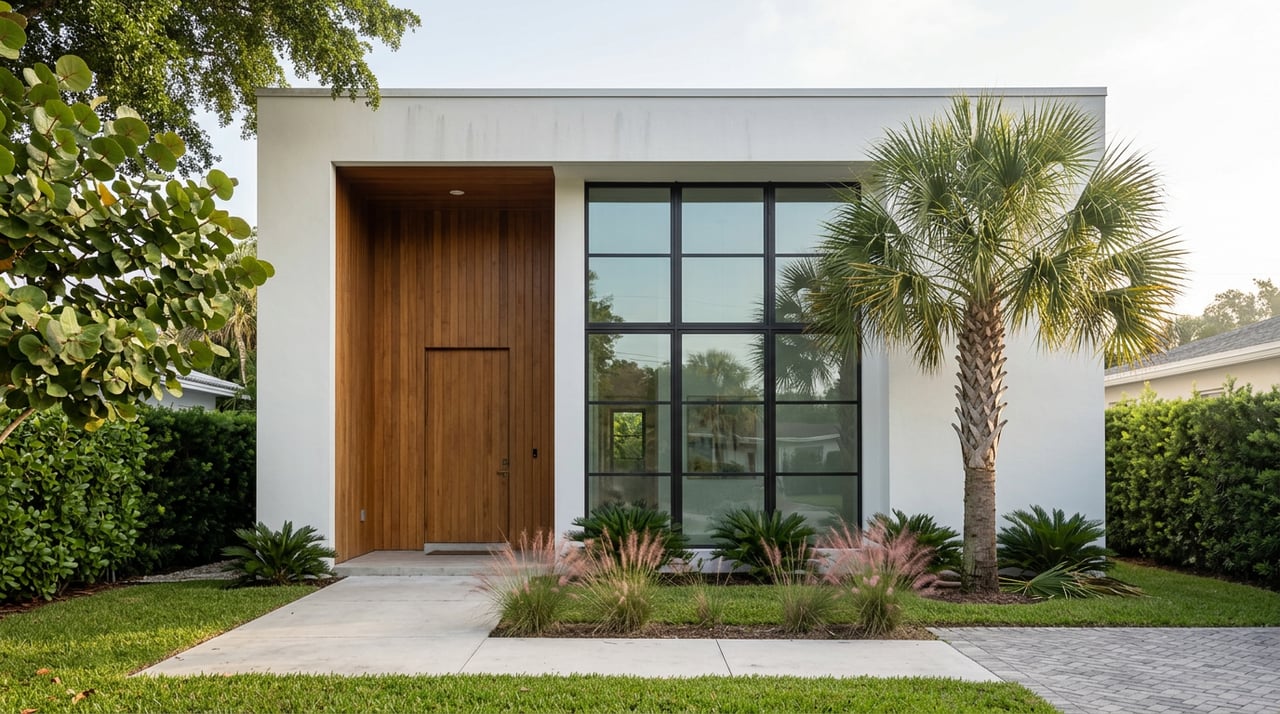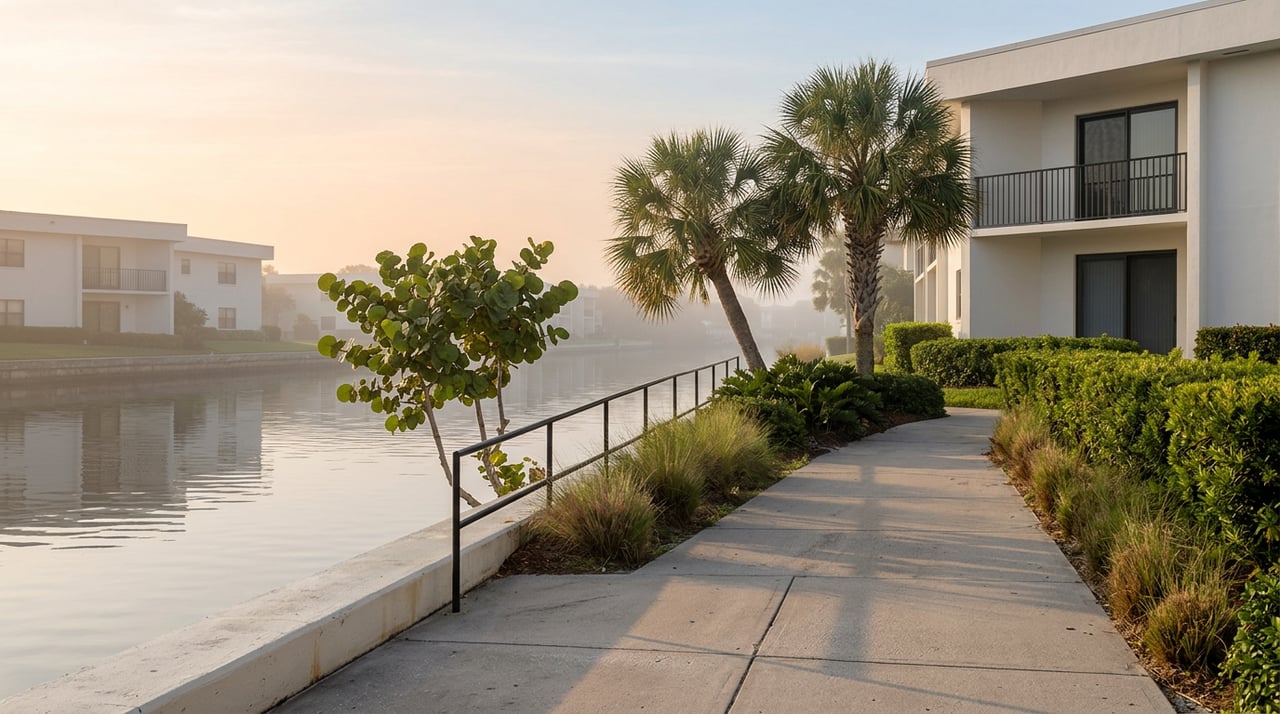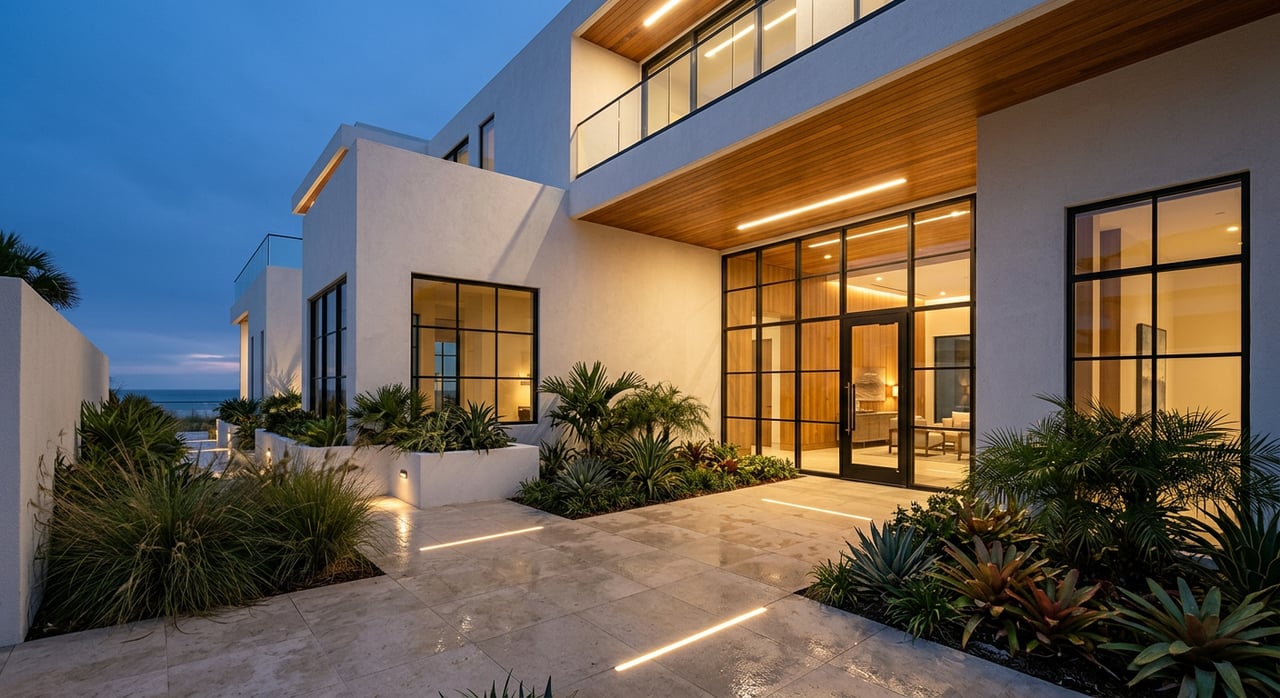
Picture yourself stepping onto the balcony, coffee in hand, as the sun comes up over Clearwater Beach. Now imagine that same condo working for you when you are not there. If you are weighing a purchase with rental income in mind, the right unit on the right street can perform well, but rules and seasonality matter. In this guide, you will learn how Clearwater Beach condo rentals actually work, what drives demand, which rules control minimum stays, how taxes stack, and how to underwrite a unit with confidence. Let’s dive in.
Clearwater Beach demand at a glance
Clearwater Beach attracts steady visitor traffic, with a clear seasonal pattern. Local tourism data shows that March is typically the highest month for visitor spending and bed-tax collections, with strong demand in February through April. You can use monthly destination metrics as a proxy for booking patterns and rate strength across the beach. Review the latest destination metrics for seasonality trends from Visit St. Pete/Clearwater.
Market-level short-term rental benchmarks help you set expectations. AirDNA’s Clearwater Beach snapshot reports occupancy around 60 percent and an average daily rate near 359 dollars. Treat these as market context, not a promise for any one unit. Property performance varies by view, floor, building rules, and management strategy.
Events can lift rates and fill calendars. The year-round Sunsets at Pier 60 program along with the annual Sugar Sand Festival create targeted spikes in foot traffic and demand. If your building allows short stays, event windows often support higher ADRs and faster bookings.
- Reference sources:
- AirDNA market overview for Clearwater Beach
- Visit St. Pete/Clearwater destination metrics
- Sunsets at Pier 60 events and festival details
Know the rules that shape income
City zoning and the 31-day minimum
The City of Clearwater draws a firm line on short stays in residential zones. According to the city’s code compliance guidance, a residential use on residentially zoned property does not include rentals for less than 31 days or one calendar month. Buildings located in Tourist or certain commercial districts operate under different rules and may allow nightly or weekly rentals. Always confirm the parcel’s zoning designation before you model income.
Use the city’s zoning and planning resources to verify where a property sits and what that district allows. Ask the listing agent to provide the parcel’s zoning confirmation in writing.
Condo association rules and Florida law
Even if zoning allows short stays, many associations add their own limits. Common rules include minimum lease length, lease frequency caps, guest registration, approval processes, and parking restrictions. Florida’s Condominium Act addresses how new rental restrictions apply to owners. In many cases, an amendment that effectively prohibits rentals or changes duration applies to consenting owners and future buyers, not retroactively to all owners. You should read the declaration, bylaws, and any rental policy addenda in full.
- Reference sources:
- City of Clearwater code compliance handbook
- Zoning and planning FAQ from the City of Clearwater
- Florida Statutes Chapter 718.110
Taxes and registrations you must plan for
Pinellas County collects a 6 percent Tourist Development Tax on rentals of six months or less. You must register for TDT collection and remittance unless your booking platform or manager is registered to collect on your behalf. Owners remain responsible for accurate filing.
Short-term rental receipts typically face multiple tax layers. Florida’s state sales and use tax is 6 percent, and county surtaxes commonly bring the combined sales tax in Pinellas to around 7 percent, separate from the TDT. Confirm current surtax rates with the Florida Department of Revenue and Pinellas County at the time you buy. Clarify in writing who will collect and remit which taxes for each booking channel.
- Reference sources:
- Pinellas County Tourist Development Tax registration and rules
- Florida sales tax overview and local surtax reference
Features that boost ADR and occupancy
Not all beach condos rent the same. The following attributes often move the needle on income:
- Micro-location: Gulf-front and gulf-view units, and those near Pier 60 and Beach Walk, attract stronger demand.
- Bedrooms and layout: One to three bedrooms dominate the Clearwater Beach vacation market. Match layout to your target guest count.
- Views and outdoor space: A private balcony with a gulf view is a major premium driver.
- In-unit conveniences: Full kitchen, in-unit laundry, reliable Wi-Fi, and easy smart-lock check-in.
- Parking: Included, convenient parking is valuable on the island.
- Updated finishes and beach-friendly furnishings: Fresh, durable design improves listing photos and reviews.
Operating friction reduces returns. High application fees, complex guest registration, or strict advertising limits can slow bookings and add cost. Ask detailed questions about guest policies before you commit.
How to underwrite a Clearwater Beach condo
Pull property-level performance, not just market averages
Ask the current owner or manager for 12 to 36 months of data for the unit or close comps in the same building. Request month-by-month ADR, occupancy, length of stay, platform mix, cancellation rates, and gross receipts. Market dashboards are helpful for screening, but your model should rely on actual statements for the building.
Build a simple income model
Use a straightforward framework so you can compare buildings and units apples to apples:
- Nights booked per year = 365 times your expected occupancy rate
- Gross rental revenue = Nights booked times expected ADR
- Owner net income ≈ Gross rental revenue minus platform or manager fees, cleanings, utilities paid by owner, HOA dues, insurance, property taxes, routine maintenance, a reserve for furniture and capital items, and any taxes not collected by a platform
Validate seasonality. Align your pro forma with monthly patterns in Clearwater Beach so you do not overstate summer income or understate peak pricing.
Cost buckets to price with local quotes
- HOA assessments and any known or pending special assessments
- Insurance: master policy for the association and your interior policy; flood where required
- Property taxes
- Management: full-service vs. booking-only fee structures
- Platform host fees and guest fee impact on demand
- Cleaning and turnover costs per reservation
- Utilities and smart-metering policies for guest usage
- Annual reserve for furniture, linens, small appliances, paint, and replacements
Ask at least two local managers for sample owner statements that reconcile gross bookings to owner payout. Compare fee inclusions and housekeeping rates side by side.
Flood, wind, and insurance considerations
Many Clearwater Beach properties sit in coastal flood zones such as A, AE, or VE. Flood exposure and windstorm deductibles can materially change your net return and financing options. Check the FEMA Flood Map Service resources for your exact address and request any Elevation Certificate available for the building. Then obtain quotes that reflect the association’s master policy and deductibles, and confirm whether your policy includes loss assessment coverage.
- Reference sources:
- FEMA how-to for reading Flood Insurance Rate Maps
- Florida Condominium Act insurance and assessment provisions
A practical buyer checklist
Work this list before you write an offer so your income model matches reality:
Verify zoning and minimum stay rules for the parcel. Save a copy of the city’s published guidance on the 31-day rule and confirm the parcel’s zoning district on the city’s planning resources.
Read the full condo declaration, bylaws, and rental rules. Ask for 12 to 24 months of HOA meeting minutes to see if any changes are pending.
Request property-level booking data. Ask for monthly ADR, occupancy, cancellations, platform mix, and anonymized folios for the unit or two to three close comps in the same stack.
Clarify tax collection and remittance. Confirm in writing who collects the 6 percent TDT and who files state and local sales taxes. Ask for recent remittance confirmations.
Review association insurance. Get the current insurance binder, confirm wind and flood deductibles, and ask about any recent claims.
Pull flood mapping and get quotes. Use FEMA resources to confirm flood zone, then price owner policy needs based on association deductibles.
Check parking, storage, and guest logistics. Confirm whether the building’s parking allocation, elevator reliability, and guest registration process support smooth operations.
Cross-check permitted uses for the zoning district on the city’s Chart 2-100 reference so you understand the building’s baseline use rights.
Quick links for diligence:
- City of Clearwater code compliance on rental minimums
- Zoning and planning FAQ for parcel lookups
- Ordinance Chart 2-100 reference for permitted uses
- Pinellas County TDT registration and guidance
Monthly rentals vs. nightly rentals
Because many Clearwater Beach condos are in residential zones, a large share of inventory is limited to monthly minimums. Monthly leasing can still produce attractive outcomes if you plan your calendar around peak season. Many owners prioritize February through April and fill shoulder months with longer winter or summer stays at adjusted rates. Nightly or weekly rentals, where permitted by zoning and the HOA, can drive higher ADRs but come with higher cleaning and management intensity. Model both paths honestly based on your building’s rules.
Your next move
Buying on Clearwater Beach with income in mind rewards precise diligence. Confirm the rules, price your operating costs with local quotes, and anchor your pro forma in actual building data. If you want a second opinion, a comp set, or off-market options with favorable rental policies, our team is here to help. Request a Confidential Consultation with KVA Group to evaluate specific buildings, review rental bylaws, and build a clear plan for returns.
FAQs
What are the minimum-stay rules for Clearwater Beach condos?
- In residential zoning districts, the city prohibits rentals for less than 31 days or one calendar month, while tourist or commercial districts may allow shorter stays. See the city’s published code compliance guidance for details.
Which taxes apply to short-term rentals in Pinellas County?
- Short stays typically face the 6 percent Tourist Development Tax plus Florida state sales tax and local surtaxes, and you must register and confirm who collects and remits each tax for every booking channel.
When is the best time to rent a Clearwater Beach condo?
- Local tourism metrics show peak demand in February through April, with March often the highest month for bed-tax collections, and events like the Sugar Sand Festival can create rate and occupancy spikes.
Can my HOA change rental rules after I buy a condo?
- Associations can amend rules, but Florida law limits retroactive bans; changes that effectively prohibit or alter rental durations often apply to consenting owners and future buyers, so read the declaration and 718.110 carefully.
How should I estimate revenue for a specific unit?
- Request 12 to 36 months of unit or same-building comp data showing monthly ADR, occupancy, cancellations, and gross receipts, then model seasonality and subtract platform or manager fees, cleanings, HOA dues, insurance, taxes, and reserves.
Do local events really affect nightly rates on Clearwater Beach?
- Yes, event windows like Sunsets at Pier 60 and the Sugar Sand Festival tend to lift demand and can support higher ADRs and faster bookings when short stays are allowed by zoning and the HOA.
What should I know about flood risk and insurance for beach condos?
- Many buildings are in coastal flood zones; check FEMA mapping for the exact address, confirm association wind and flood deductibles, and obtain quotes that include loss assessment coverage where needed.