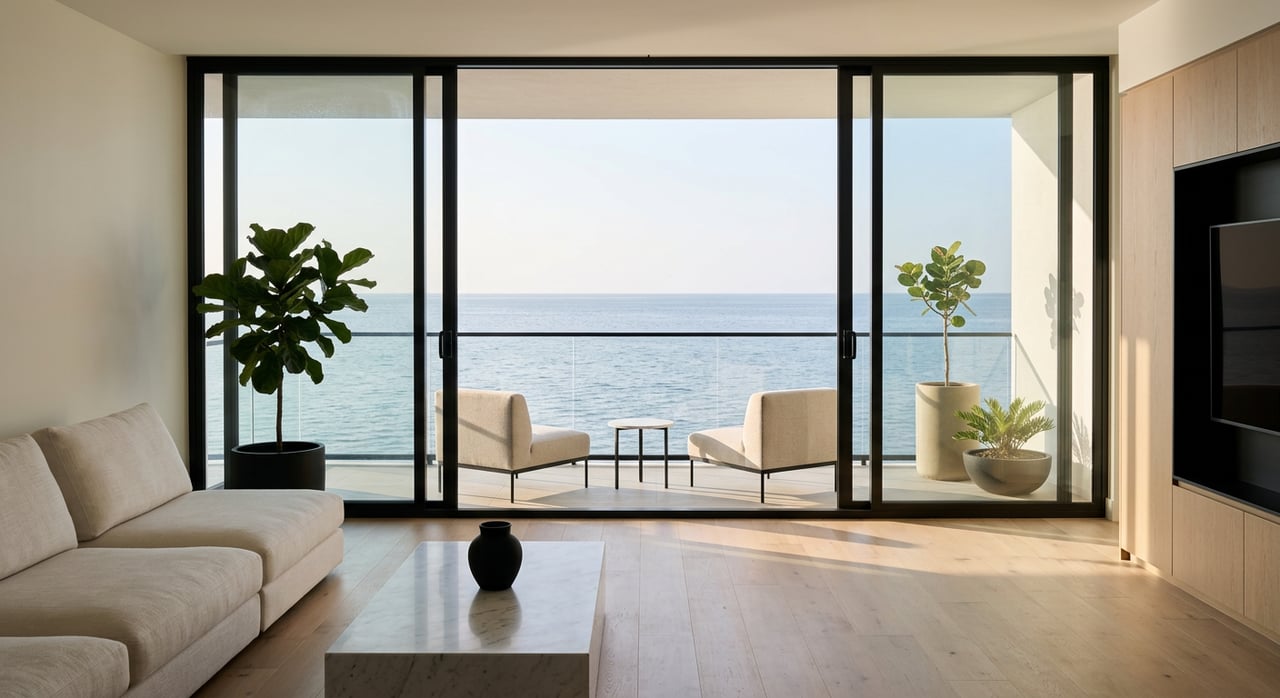
Salt air on your balcony, sunrise over Tampa Bay, and dinner on Beach Drive without moving your car. If that vision fits your next chapter, a downtown St. Petersburg waterfront condo might be the right move. You want an easy, walkable rhythm with access to arts, dining, parks, and the water, plus a building that feels secure and well managed. In this guide, you’ll see what daily life looks like, how buildings differ, the amenities you can expect, and the key buyer checks that protect your investment. Let’s dive in.
What downtown waterfront living offers
You live at the center of a compact, walkable core with museums, restaurants, and parks all within short strolls. The Pier District functions like your front yard, offering waterfront green space, a marketplace, restaurants, and courtesy boat slips. Major cultural anchors include The Dalí Museum, with rotating exhibitions and events that keep your calendar full.
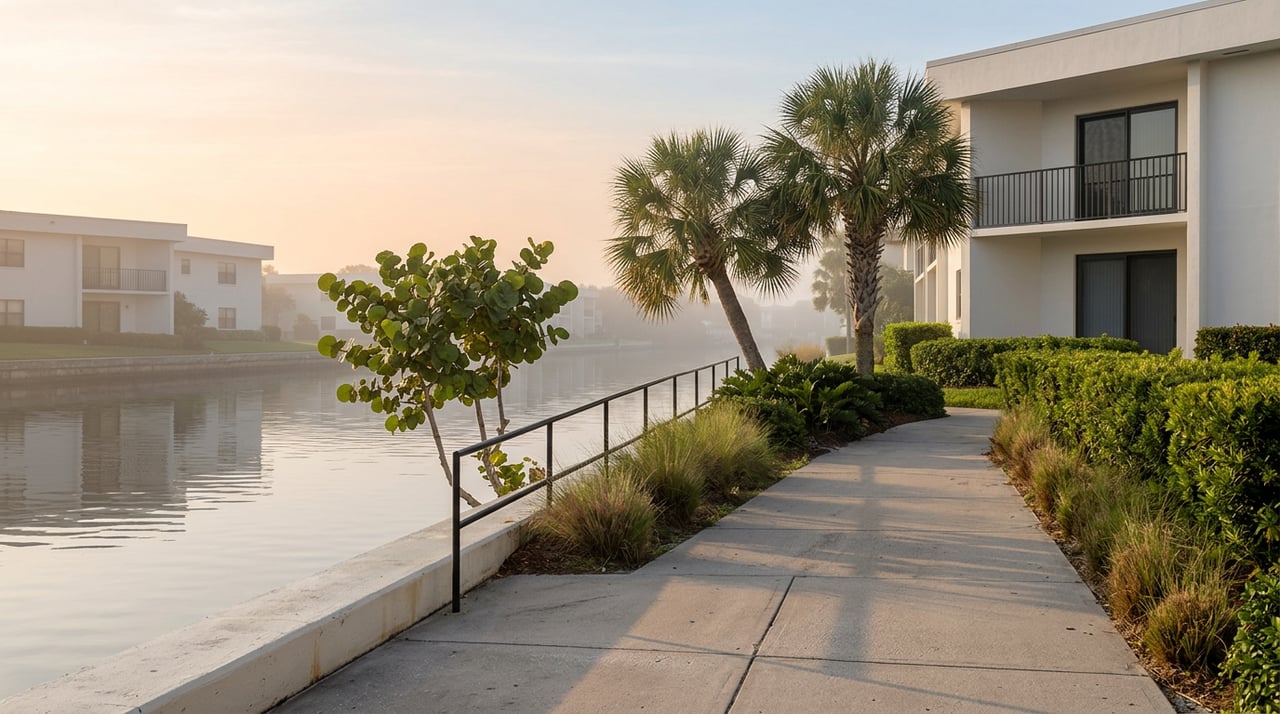
Water is part of the rhythm. Municipal marinas and courtesy slips near the Pier and nearby basins make it easier to get on the bay for a sail, a charter, or a sunset cruise. If you travel often, Albert Whitted serves small planes nearby, St. Pete–Clearwater International is close by, and Tampa International is typically a 25 to 40 minute drive.
The dining and arts scene is dense. You can walk to Beach Drive restaurants, galleries, theaters, and outdoor venues like Jannus Live. Seasonal events such as the Saturday Morning Market at Al Lang Stadium keep weekends fresh without much planning.
A week in a downtown waterfront condo
Monday: Walk, work, unwind
Start with a coffee and a short walk along Beach Drive. Most waterfront towers and boutique buildings place you within about 5 to 15 minutes of the Pier, parks, and museums. Lunch is a quick step across to cafés or a quiet bench near Mirror Lake. Evenings are easy: many buildings include a pool deck or rooftop lounge, so you can decompress without leaving home.
Wednesday: On the water
Midweek is perfect for a bay reset. Launch from nearby municipal docks or schedule a charter for an afternoon sail. Courtesy slips around the Pier District and marina basins make the transition from condo to cockpit simple. If you do not own a boat, you still get sunset views from your balcony.
Friday: Arts and dining
Hit a gallery opening, a museum talk at the Dalí, or a performance downtown, then walk to dinner on Beach Drive or at Sundial. With options concentrated in a few districts, you can keep plans flexible and spontaneous.
Weekend: Market and the Pier
Saturday starts at the farmers’ market at Al Lang Stadium’s lot during its seasonal run. From there, brunch becomes a waterfront stroll, and the afternoon unfolds at Pier Park playgrounds or Spa Beach. Evenings often include live music or special Pier events, all within an easy walk home.
Condo buildings and amenities
Downtown St. Pete’s waterfront and near-waterfront buildings span a range of styles and scales, so you can match lifestyle to building personality.
High-rise towers
You’ll find modern high-rise waterfront towers, some above 34 stories, with floor-to-ceiling glass and panoramic bay views. Expect larger amenity decks with rooftop or elevated pools, 24-hour desk service, fitness centers, and social spaces. Signature Place is a well-known example of this modern, amenity-rich profile.
Mid-rise and boutique options
Mid-rise and boutique buildings, often 5 to 20 stories, trade scale for intimacy. Many offer larger private terraces on select floors and curated rooftop amenities. The Salvador and The Julia are examples that emphasize design and a quieter, more private feel.
Low-rise and townhouse-style condos
If you prefer neighborhood character and potentially lower monthly fees, explore low-rise townhouse-style condos and live/work conversions near the EDGE and Central districts. These often have fewer on-site amenities but deliver a more residential vibe.
Typical floor plans and sizes
Most buildings offer one to two bedrooms from roughly 700 to 1,400 square feet, two to three bedrooms in the 1,200 to 2,500 square foot range, and larger penthouses in select towers. Floor plans tend to be open, with kitchens connected to living/dining spaces and balconies positioned for bay or skyline views.
Common amenities to expect
- Controlled entry and, in larger towers, a staffed desk or concierge
- Heated pools and elevated sundecks or rooftop lounges
- On-site fitness centers with modern equipment
- Club rooms and catering spaces for private gatherings
- Covered or deeded parking, guest parking policies, and storage
- Bike rooms, package rooms, and in some buildings, valet service
- Select buildings coordinate access to nearby marinas, though boat slips are typically separate from condo ownership
- Resiliency features such as impact glass, shutters, and, in newer construction, whole-building generators
Notable complexes like Vinoy Place sit next to resort amenities and often feature large wraparound balconies, while towers like Signature Place focus on sleek lines and a contemporary skyline presence.
What to know before you buy
A great lifestyle is only half the decision. In Florida, building age, structural health, reserves, insurance, and rules can change your monthly costs and resale ease. Go in with eyes open.
Safety inspections and reserves in Florida
Florida now requires milestone structural inspections for condominium and cooperative buildings that are three stories or higher, with re-inspections on a set schedule as the building ages. Associations must also complete Structural Integrity Reserve Studies and fund reserves for covered items without the option to waive them. For buyers, this means older towers can face remedial work that leads to special assessments. Always factor the building’s inspection timeline and any Phase 2 findings into your budget.
HOA finances and special assessments
Request current budgets, balance sheets, and reserve studies, along with recent meeting minutes and any milestone or engineering reports. Look for healthy structural reserves in line with SIRS guidance and a history of proactive maintenance. Repeated budget waivers, low reserves, or recent transfers from reserves are red flags that may signal higher short-term risk of assessments.
Insurance, flood, and wind coverage
In Florida, you carry two layers of insurance: the association’s master policy and your HO-6 contents policy with loss assessment coverage. Associations across the state have seen premium volatility, which can affect monthly dues. Because downtown waterfront parcels often sit in FEMA flood zones, lenders may require flood insurance through the NFIP or a private carrier. Ask for the building’s flood zone, any available elevation certificate, and details on master policy deductibles, including wind or hurricane provisions.
Short-term rental rules
Short-term rental rules vary by jurisdiction and zoning. Downtown St. Petersburg often limits rentals under 30 days in many residential zones. Some exceptions may exist in specific commercial or condo-hotel contexts. Pinellas County also operates a separate short-term rental Certificate of Use program in unincorporated areas. Confirm whether your building is inside city limits and check its governing documents and local regulations if you plan to rent for less than 30 days.
Parking, access, and day-to-day livability
Verify deeded parking count and whether it is covered, plus guest parking policies. Ask about bike storage, EV charging availability, and delivery and renovation rules. In taller towers, elevator dependency matters. Confirm backup power, such as a whole-building generator, and review the building’s hurricane preparation and communication practices.
Financing and resale
Lenders may restrict loans in buildings with significant deferred maintenance, pending large assessments, or low owner-occupancy ratios. If you rely on conventional, FHA, VA, or agency-backed financing, confirm the building’s current eligibility before you commit. Strong building health supports liquidity when you decide to sell.
Quick buyer checklist
Use this list to organize requests and reduce surprises during due diligence:
- Governing documents (Bylaws, Declaration, Rules) and 12 to 24 months of meeting minutes
- Current operating budget, balance sheet, reserve study, and any SIRS or milestone inspection reports
- Master insurance summary with deductibles and coverage limits; note any wind or hurricane deductibles
- Details on any planned or approved special assessments and repayment terms
- Building rental and occupancy rules; confirm local city/county short-term rental requirements if renting under 30 days
- FEMA flood zone, any elevation certificate, and recent flood claims history for the building
- Deeded parking count, guest-parking rules, and storage availability
- Physical condition of common areas: pool deck, garage, roof, HVAC, elevators, and any signs of deferred maintenance
- Recent resale comparables and days on market for similar units in the building and nearby
- Lender and insurer willingness to work with the building in its current condition
Is a downtown St. Pete waterfront condo right for you?
If you want a walk-to-most-things lifestyle with a strong arts and dining scene, easy bay access, and the convenience of on-site amenities, downtown St. Petersburg checks the boxes. The key is pairing your ideal building style—modern tower, boutique mid-rise, or townhouse-style condo—with clear, documented building health. Do that well, and you get sunrise views, an active calendar, and a condo that supports both daily ease and long-term value.
When you are ready to compare buildings, documents, and lifestyle fit, connect with the local team that works both sides of the bay and understands the nuances of waterfront condo ownership. Reach out to KVA Group to explore on- and off-market options and Request a Confidential Consultation.
FAQs
How close are condos to the St. Pete Pier and museums?
- Many waterfront and near-waterfront buildings place you within about a 5 to 15 minute walk to the Pier District, parks, and major museums like The Dalí Museum.
What amenities do downtown St. Petersburg waterfront towers include?
- Expect controlled entry, a staffed desk in larger towers, heated pools and sundecks, fitness centers, club rooms, covered parking, storage, and in some newer buildings, impact glass and generators.
How do Florida milestone inspections affect condo buyers in Pinellas?
- Buildings three stories or higher must complete structural milestone inspections and fund SIRS reserves, which can lead to higher dues or special assessments in older towers—review reports and budgets before you buy.
Are short-term rentals allowed in downtown St. Petersburg condos?
- Many city zones limit rentals under 30 days, with some exceptions in specific zoning or condo-hotel contexts—verify your building’s documents and the city’s rules if you plan to rent short-term.
Do most buildings include boat slips on-site?
- Most downtown condos do not convey boat slips; instead, they coordinate access to nearby marinas or you can use municipal and courtesy slips separately from condo ownership.
What insurance do you need for a waterfront condo in St. Petersburg?
- You typically need the association’s master policy in place plus your HO-6 contents policy with loss-assessment coverage, and flood insurance is often required by lenders in FEMA flood zones.
Which airports are convenient for downtown St. Petersburg condo owners?
- Albert Whitted serves small planes nearby, St. Pete–Clearwater International is close by, and Tampa International is about a 25 to 40 minute drive depending on traffic.